
How Much Grip Does Your Shenandoah Floor Need?
How to choose anti slip texture for a Shenandoah floor: wet driveway entries, gyms and shops, grit level versus easy mopping, and why samples beat photos.
How to choose anti slip texture for a Shenandoah floor: wet driveway entries, gyms and shops, grit level versus easy mopping, and why samples beat photos.
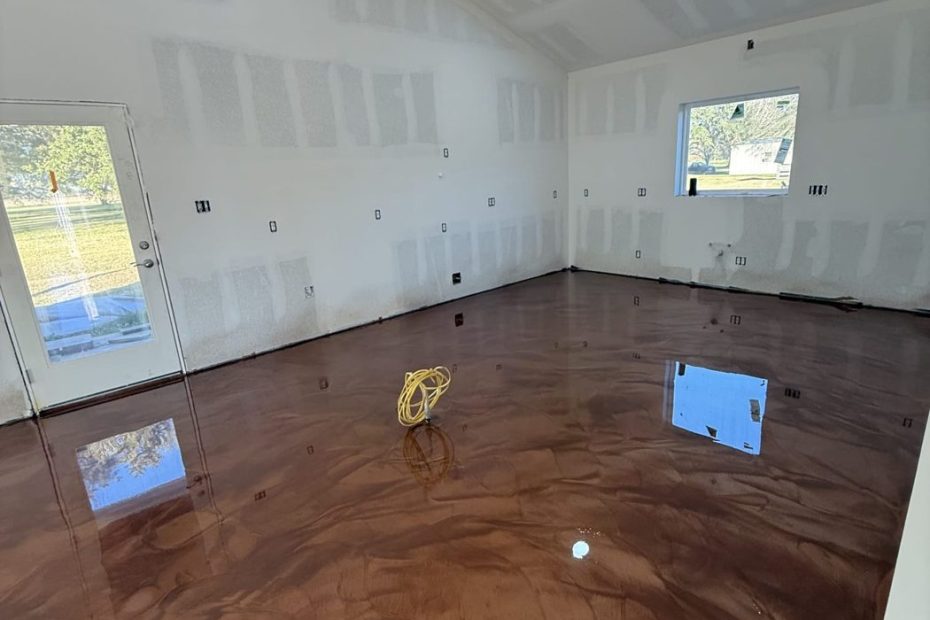
How to live with a custom epoxy countertop in a Shenandoah kitchen or bar: heat and trivets, cutting boards, gentle cleaners, and what a glossy metallic top shows.
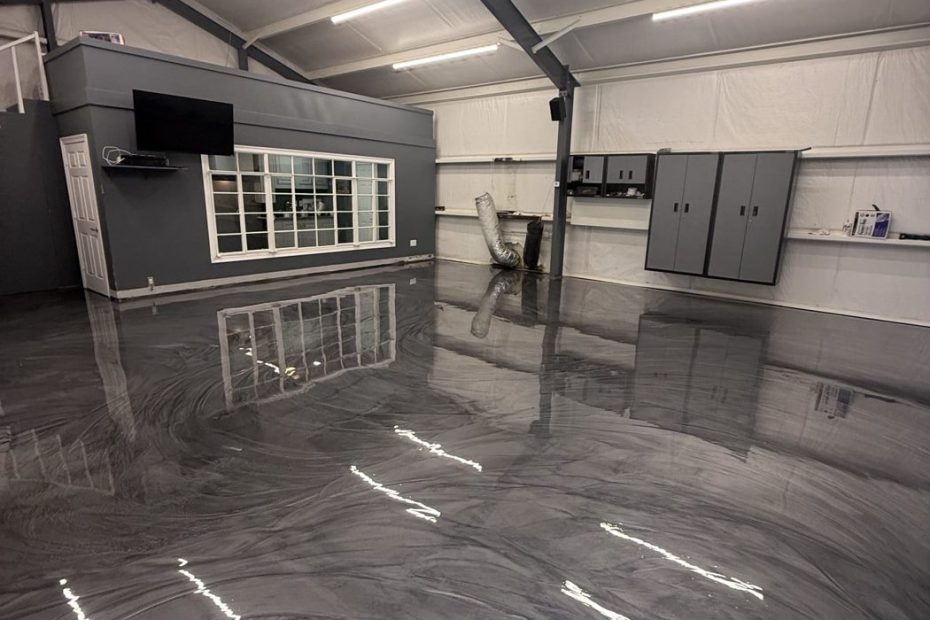
What a Shenandoah backyard workshop or storage building floor has to handle: oil, sawdust, rolling tool chests, grit choice, and a system sized to the use.
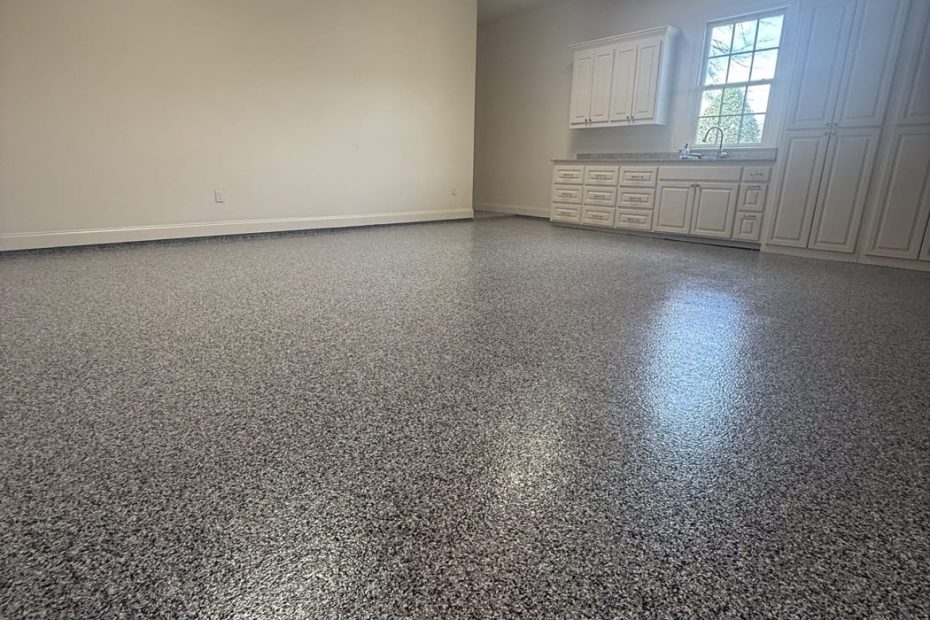
How we coat a Shenandoah home gym slab: picking a grit level, where rubber mats still belong, cleaning up sweat, and why older slabs get a moisture reading first.

Why old paint on Shenandoah garage floors has to be ground off before a new coating, what dusting concrete means, and what the grind turns up under the layers.

Commercial floor scoping in New Orleans: a senior walk-through, staging in the Quarter and CBD, test results as line items, trade scheduling, and a punch list.
Metallic epoxy suits New Orleans galleries, boutiques and hotel bars. Picking tones on large samples, what lighting does to the pour, and where carts rule it out.
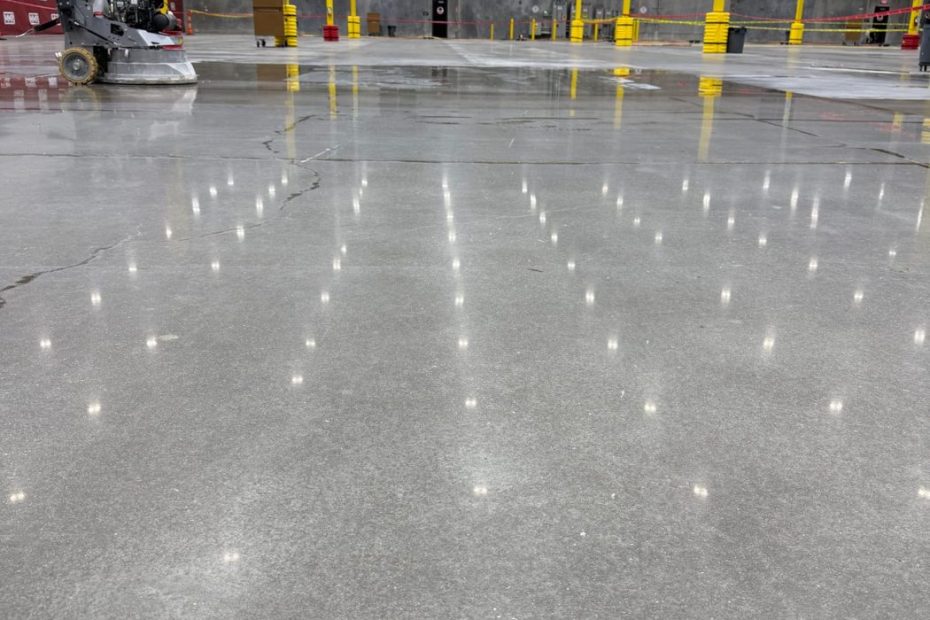
CBD warehouse conversions in New Orleans: grinding, densifying and sealing an old slab while keeping its marks, deciding on joints and patches, and phasing work.
Restaurant kitchens in New Orleans need urethane cement that takes nightly washdowns. Slip ratings by zone, decorative epoxy out front, and phasing around service.
Old sealers, paint and soft patches hide on older New Orleans garage slabs. How a grind sample panel finds them, how cracks get read, and why flake wins.